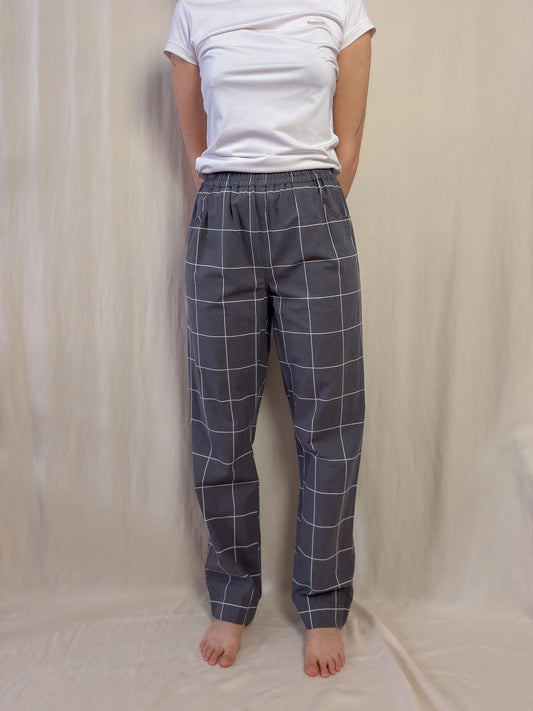
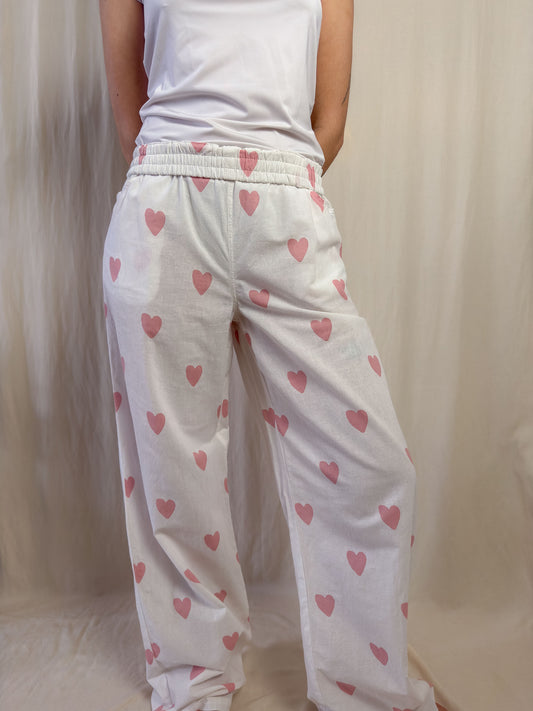
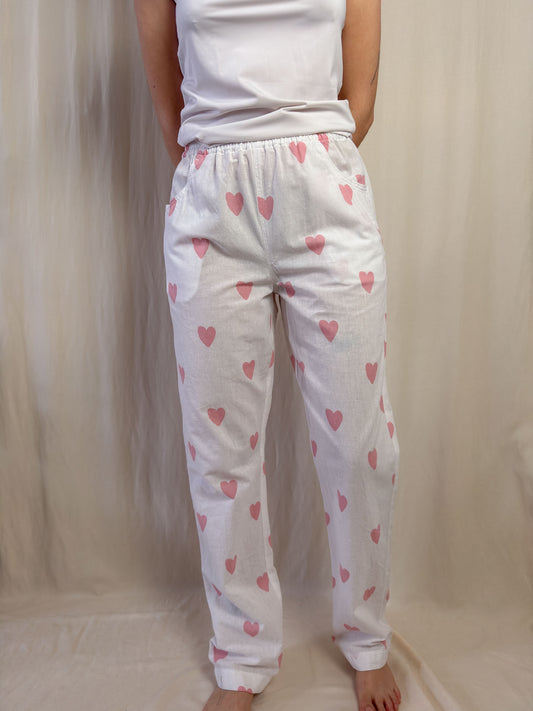
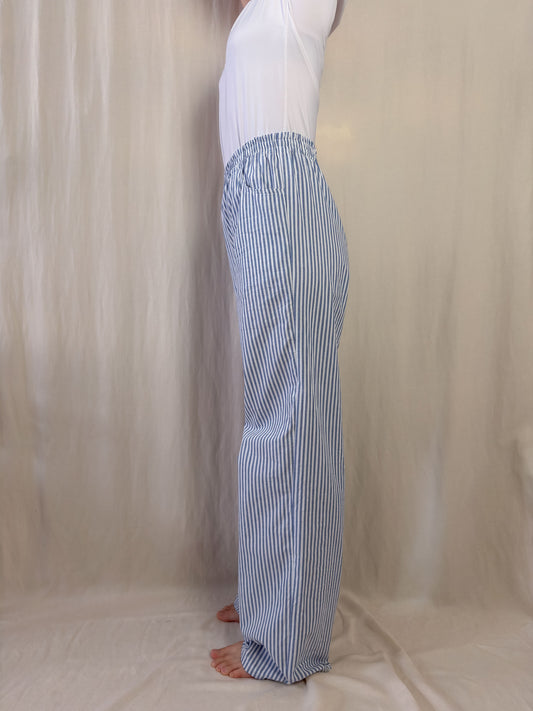
Handmade upcycled clothing from second-hand fabrics made in Berlin

Safrané Berlin uses carefully selected second-hand textiles to create upcycled clothing, handmade in a small atelier in Berlin. Each piece is made as a one-of-a-kind or in very small series, following an artisanal approach that respects the real rhythm of manual work.

Discover the pieces:


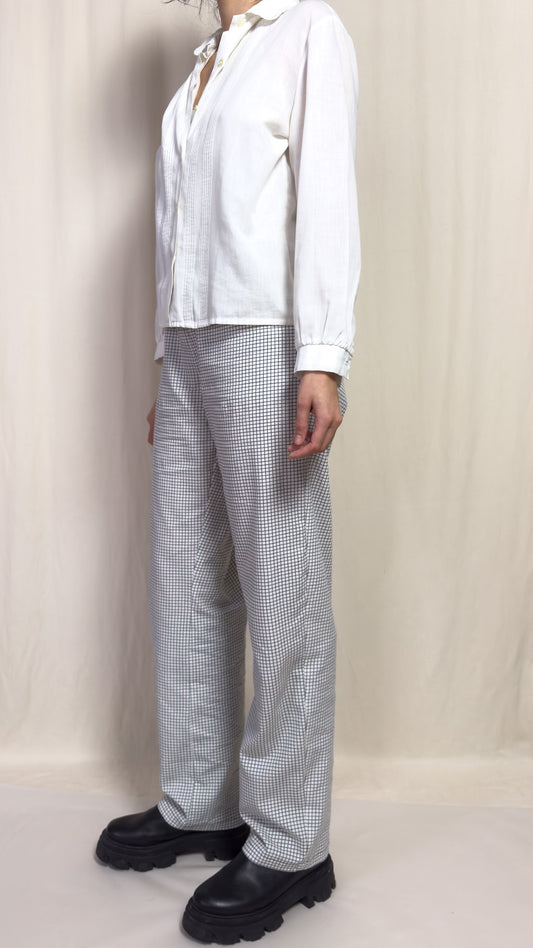
Trousers

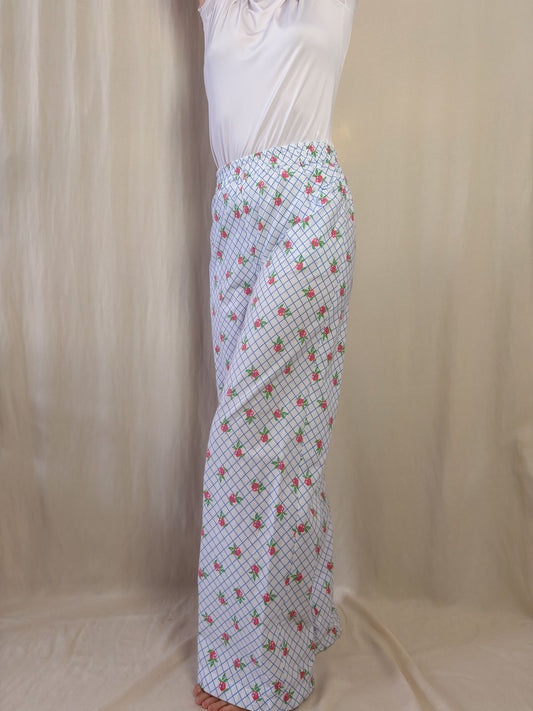
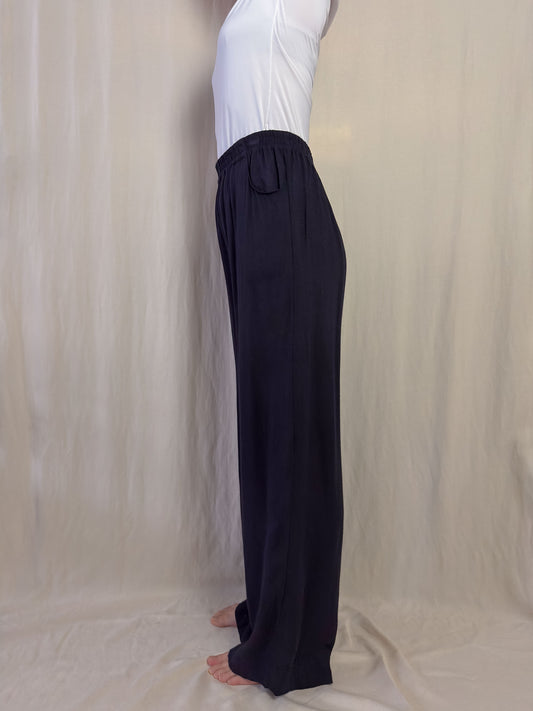
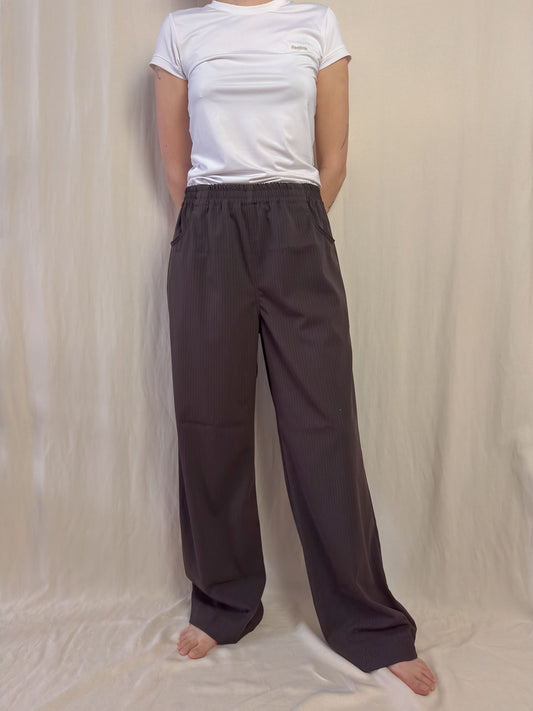
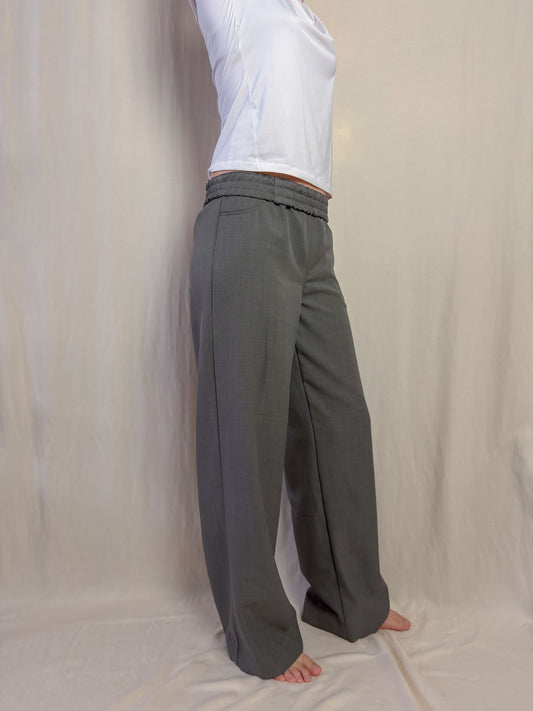
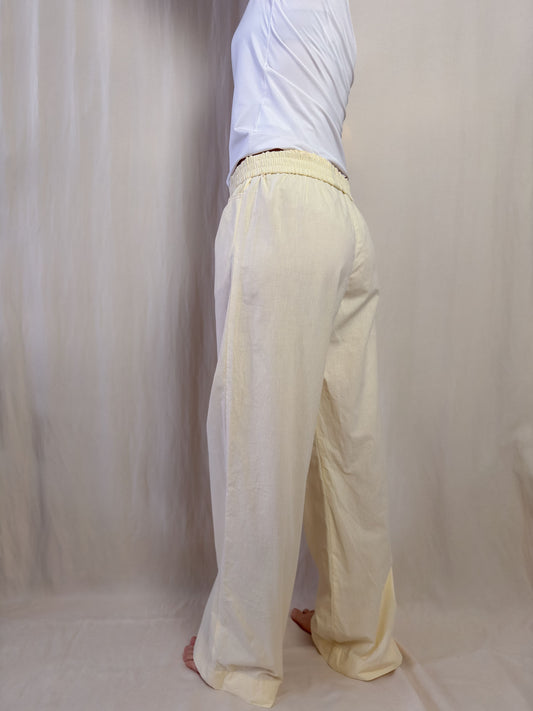
Soft and comfortable pants made out of second-hand bed linen and fabrics


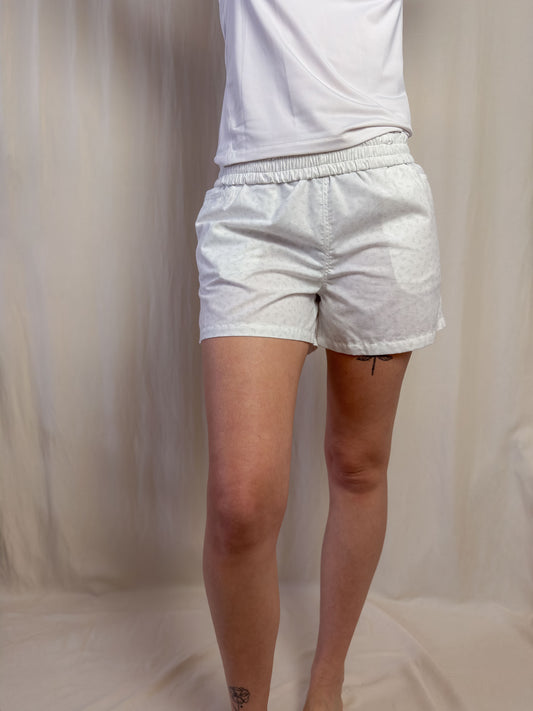
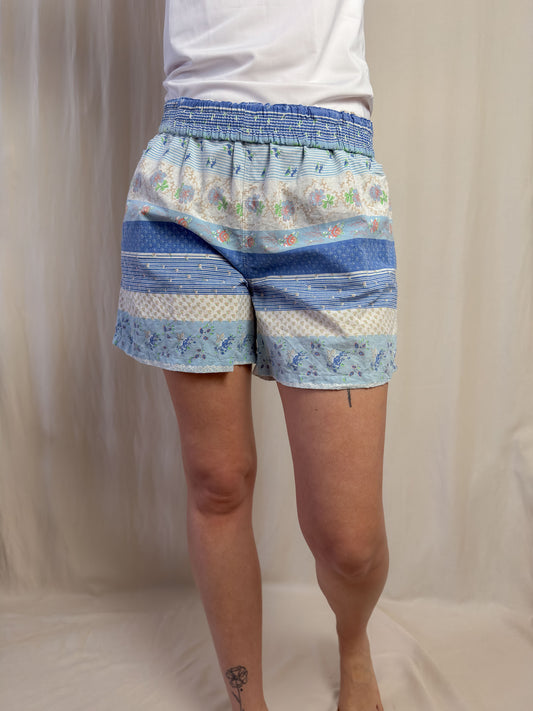
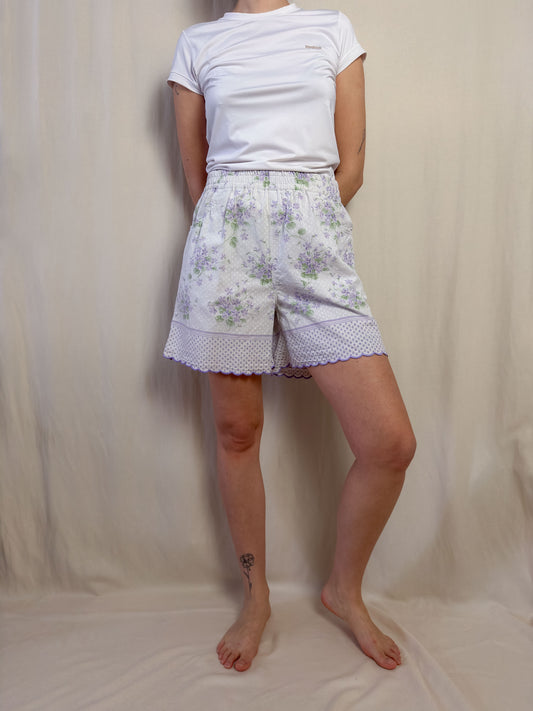
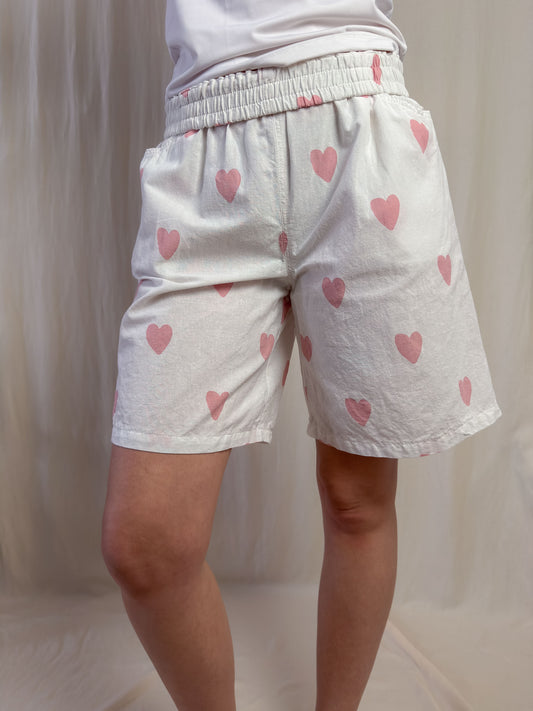
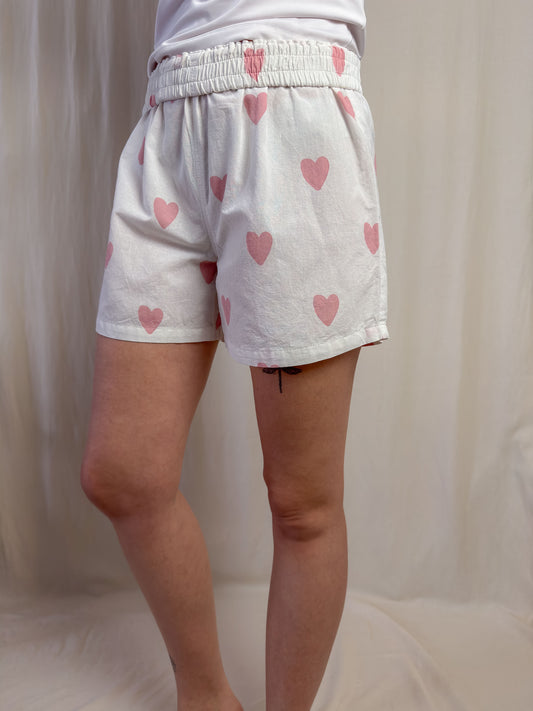
Shorts

Cute and comfortable summer shorts made out of second-hand bed linen and table cloths


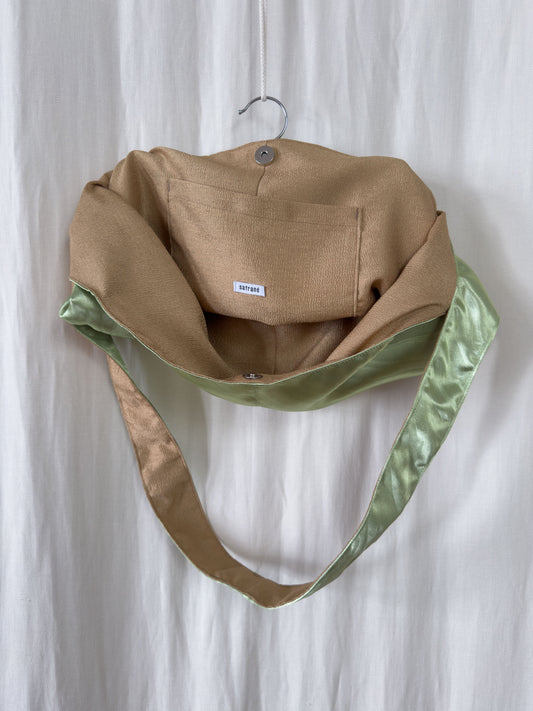
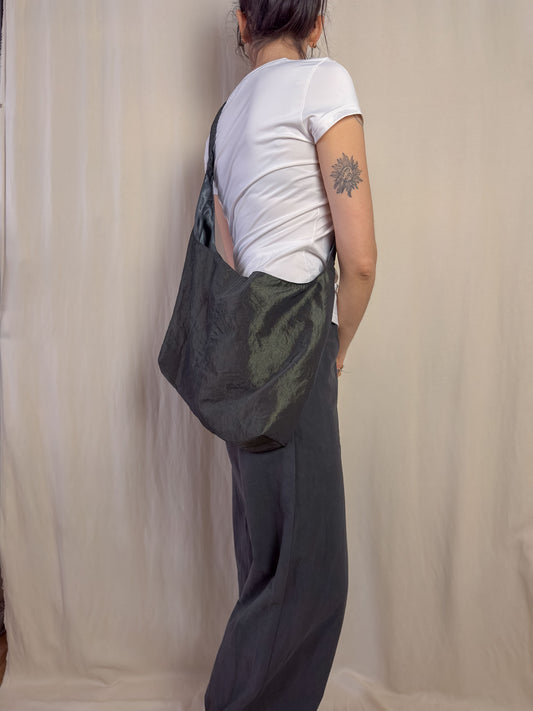
Bags

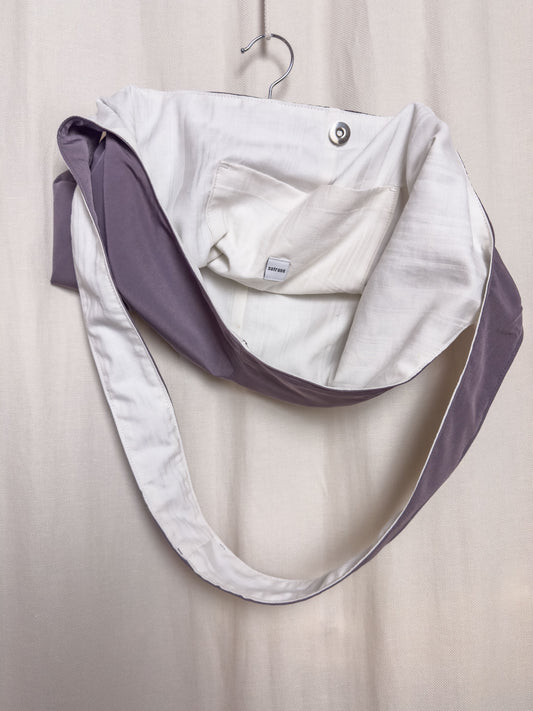
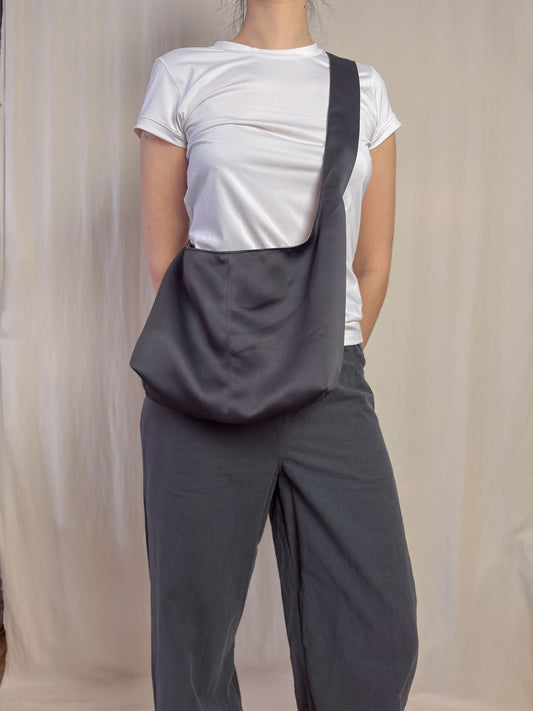
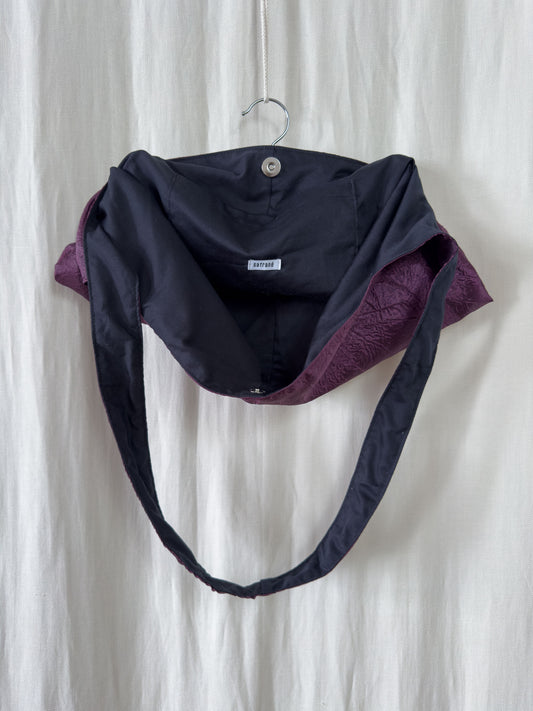
Cute everyday bags made out of second-hand fabrics and household textiles


Scrunchies

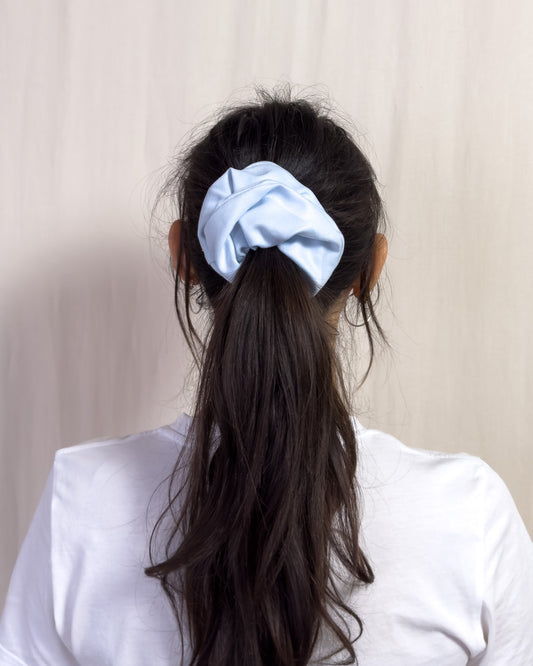
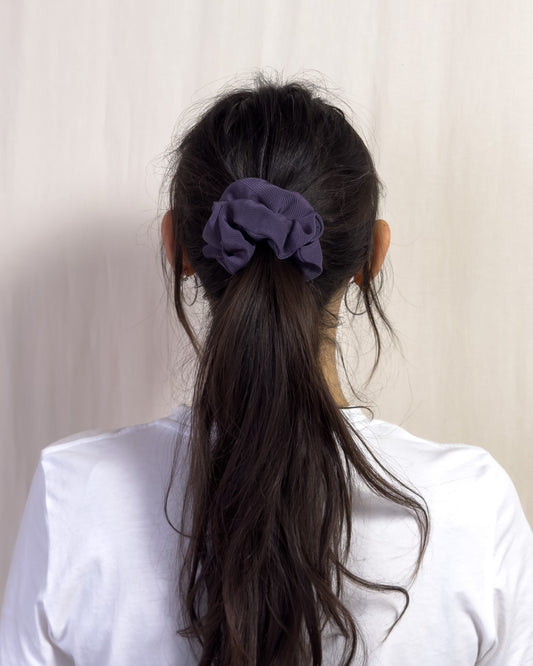
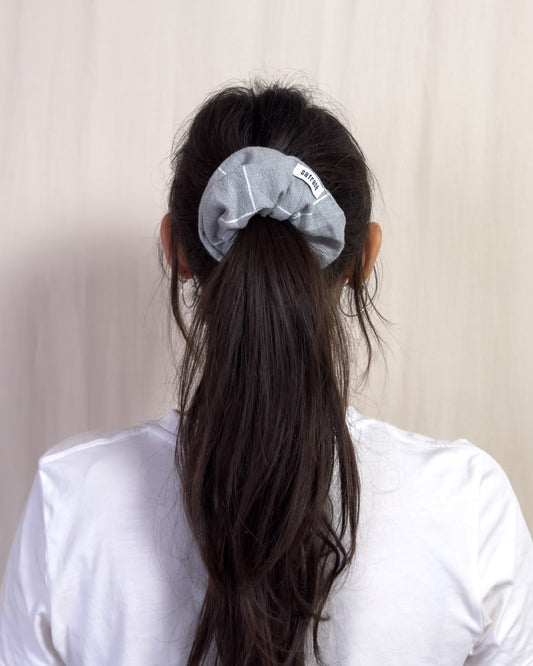
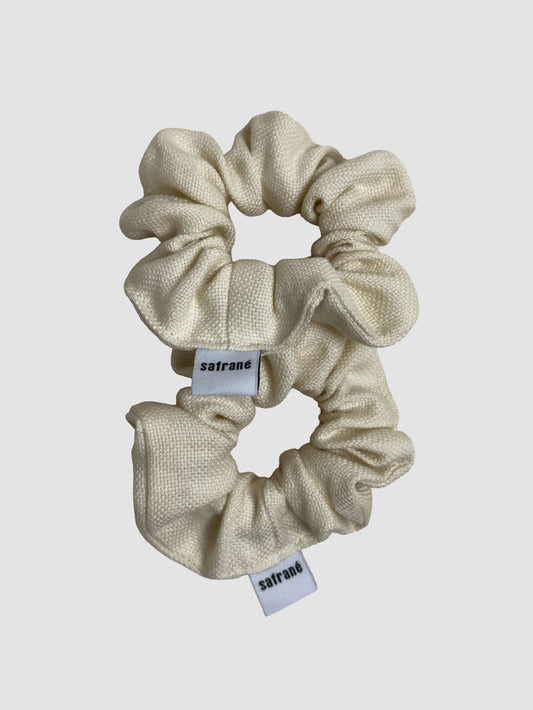
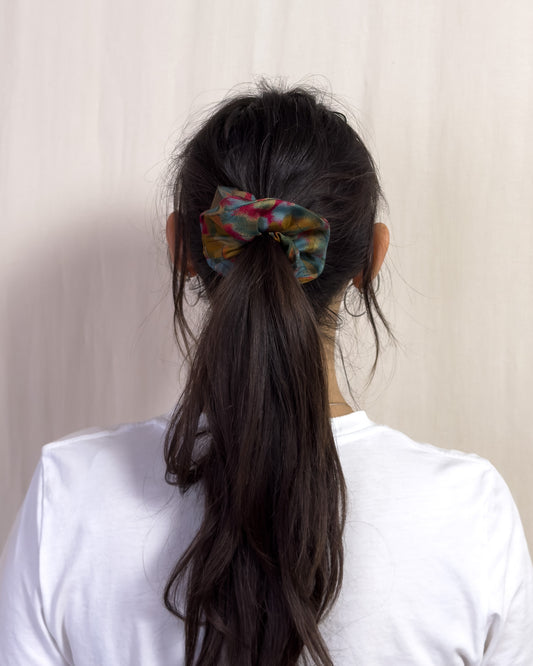
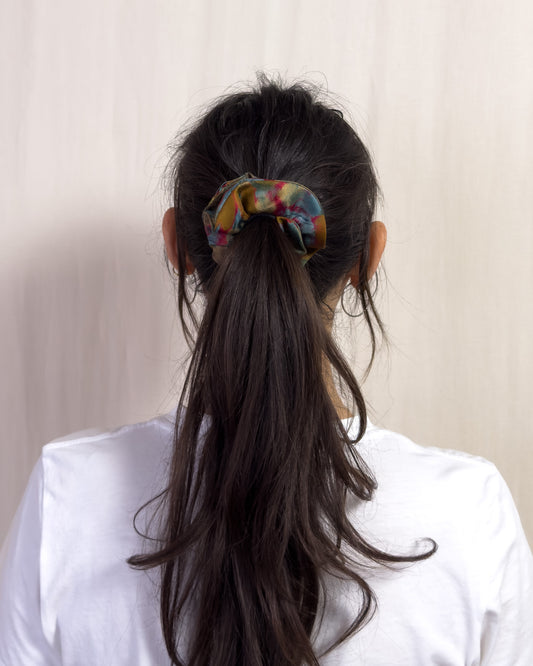
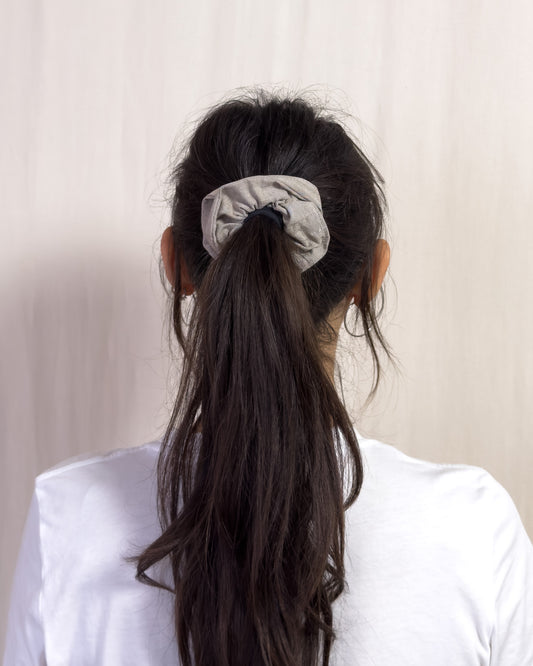
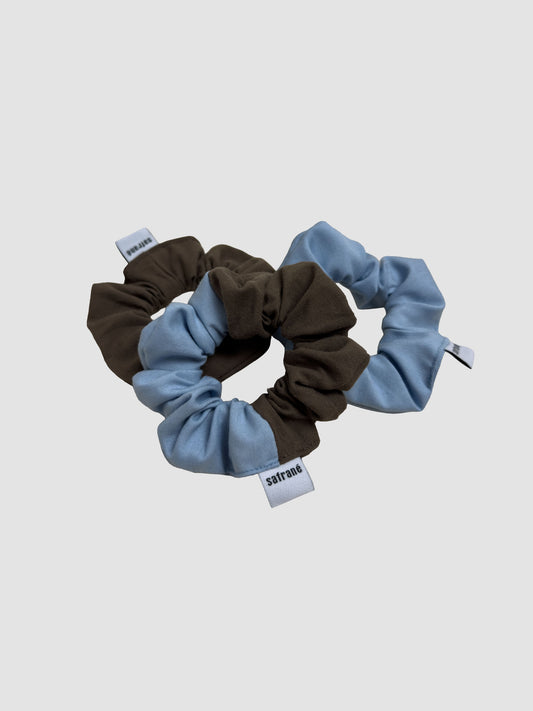
All sizes scrunchies made out of reclaimed old ties and fabric remnant


Customer reviews

Frequently Asked Questions

Other Topics

The project
What is upcycled clothing?

Upcycled clothing is made from existing textiles that are repurposed and given a new use, giving old clothes a new life instead of sending them to landfill.

Upcycled clothing is part of a circular economy approach, which means in my case, working with second-hand household textiles and, occasionally, deadstock fabrics, instead of using or producing new fabric to create new clothes, which contributes to sustainability by extending the life of existing materials.

How does upcycled clothing relate to sustainable fashion?

Upcycling is one of the practices commonly associated with sustainable fashion. By reusing existing materials and working on a small scale, it offers an alternative to fast-fashion production models and helps reduce environmental impact.

What is the difference between upcycled and recycled?

Recycling is an industrial process that breaks down existing materials in order to create new ones.

Upcycling, by contrast, consists in reusing existing objects or materials that would otherwise be discarded or left unused, without destroying them, by giving them a new function or a higher value.

Who is behind the project?

The project is run by me, Sarah. I design and sew each piece myself. You can learn more about the project and my background in the About section.

Why did you start this project?

I started this project to use my sewing skills differently by exploring another way of making and consuming clothes, aiming to reduce environmental impact and move away from fast-fashion production models by following a slow fashion approach. Working on a small scale and using existing textiles allows me to focus on quality and material reuse rather than speed.

How and where are the clothes made?

All pieces are handmade by me in my workshop in Berlin. I work on my own, from fabric selection to sewing. Production is done on a small scale rather than in mass quantities, resulting in one-of-a-kind pieces or small series.

What kind of pieces do you create?

The project currently focuses mainly on pants (straight and wide legs), shorts, and bags (tote bag, shoulder bag). Future upcycling projects may also explore pieces such as t-shirts, sweatshirts, sweaters or tank tops, depending on the fabric available.

How are the clothes produced?

Each garment is made following a simple process. I create the pattern, select a suitable fabric, and then sew the piece myself. The process is done on a small scale.

Are all pieces unique?

Some pieces are one-of-a-kind, while others may exist in two or a few units. This depends entirely on the amount of the fabric available. If the fabric allows for more than one piece, a small series may be made.

Fabrics
How do you source your fabrics?

I source fabrics from second-hand channels such as thrift stores and recycling centres, as well as from deadstock suppliers. Fabrics are selected based on their appearance, composition and feel, and on how they might work for a specific type of piece. I do not work with a patchwork method that assembles small scraps together; instead, I mainly use larger second-hand textiles such as bed sheets that are repurposed into new garments.

What are deadstock fabrics?

Deadstock fabrics are unused fabrics that were originally produced for the textile or fashion industry but were never used. They may come from cancelled productions, leftover stock or surplus fabric rolls, allowing existing materials to be used instead of producing new fabric.

Do you use deadstock fabrics?

My work mainly focuses on second-hand textiles. However, using deadstock fabrics is not excluded and may be considered when it makes sense for a specific project.

Fit & size
How do I choose my size?

You can choose your size by referring to the size guide available on the website. The guide is based on body measurements, and also includes standard ready-to-wear sizes such as S, M or L as a reference if you cannot take measurements. If you are unsure, you can always get in touch before ordering.

What if I am between two sizes?

If you are between two sizes, both options can work. The smaller size will result in a more fitted look, while the larger size will offer more ease. It mainly depends on the fit you prefer.
How do your clothes fit?

The fit depends on the design of each piece. Most pieces are designed for comfort and ease of movement rather than a tight fit, with proportions intended to be worn easily over time rather than follow short-lived trends.

How should I take my measurements?

Measurements should be taken directly on the body using a measuring tape. The size guide explains where and how to measure.

Why don’t you use standard sizes like S, M, L or 38/40/42?

I chose not to use standard sizes such as 38, 40 or S, M, L because they are not consistent across the fashion industry. A size 38 or a size M does not correspond to the same measurements from one brand to another. This can lead people to choose a size based on habit rather than on actual measurements, which increases the risk of a poor fit. Using a numbered sizing system encourages customers to check what each size corresponds to in terms of measurements.

Care
How should I care for my garment?

Care instructions are provided on each product page and may differ between garments and accessories. In general, gentle washing at lower temperatures is recommended to help preserve the material over time. Most fabrics used were originally designed to be washable and durable, but washing less frequently and avoiding unnecessarily high temperatures helps extend the life of the garment.

Can I wash it in a washing machine?

Yes, bottoms such as trousers can generally be washed in a washing machine. Accessories may require different care. Please refer to the information provided on the product page. If in doubt, you can always reach out before washing.

Orders, shipping and returns
What if my item does not fit?

If an item does not fit, you can request a return according to the return policy. If you are unsure about sizing or have any questions before or after ordering, you are welcome to get in touch using the contact form on the website.

Where do you ship?

Orders are shipped within the European Union. Shipping options and costs are shown at checkout before you confirm your order.

Can I return or exchange an item?

Returns are accepted within 14 days of receiving your order, as long as the item has not been customised. For full details, you can refer to the return policy.

How long does shipping take?

Orders usually require a short preparation time before being shipped. This can vary depending on whether the item is ready to ship or requires customisation, such as a length adjustment.

Once the order has been shipped, delivery time depends on the destination and the selected carrier, usually between 3 and 10 days. Estimated timelines are always indicated at checkout.